
9th of April 2027, 110th anniversary of the Battle of Arras
2027: Commemorating the 110th Anniversary of the Battle of Arras
In 2027, the city of Arras, the Arras Urban Community and Arras Pays d’Artois Tourisme invite you to experience an exceptional year marking the 110th anniversary of the Battle of Arras. Ceremonies, sporting, cultural and musical events, exhibitions and new memorial sites dedicated to the memory of those who came from all over the world and were present in Arras in the spring of 1917.
This anniversary will serve as a reminder of the international dimension of the battle, which brought together soldiers from Great Britain, Canada, Australia and New Zealand, among other countries. Many crossed the oceans to join the trenches, while miners and industrial workers put their expertise to work in a war fought deep beneath the ground. 2027 will therefore be a year of remembrance and the passing on of knowledge, offering an opportunity to deepen our understanding of a region shaped by the First World War and to honour all those who played a part in its liberation.
More than a century ago, the fate of Arras was changed forever.
April 1917: men from across the world fight in Artois
After nearly three years of fighting, the front had become firmly established in Artois. The city of Arras, located in the immediate vicinity of the German lines, was a major strategic position.
In the spring of 1917, Allied forces prepared a major offensive aimed at breaking through the German front. The Arras Offensive was intended to enable British troops to advance east of the city and capture German positions.
On 9 April 1917, at 5:30 a.m., thousands of soldiers launched their assault along a 20-kilometre front, under the cover of artillery fire.
From Vimy to Bullecourt, through Arras and the villages of Artois, the fighting quickly became extremely fierce. The men advanced through a landscape devastated by shelling, making their way through the mud while facing machine guns, barbed wire and heavily fortified German positions.
The offensive brought together soldiers from many parts of the British Empire. British, Canadian, Australian and New Zealand troops, as well as soldiers from other territories, fought side by side. This diversity gave the Battle of Arras a profoundly international dimension.

An army hidden beneath the streets of Arras
But preparations for the offensive did not take place solely above ground.
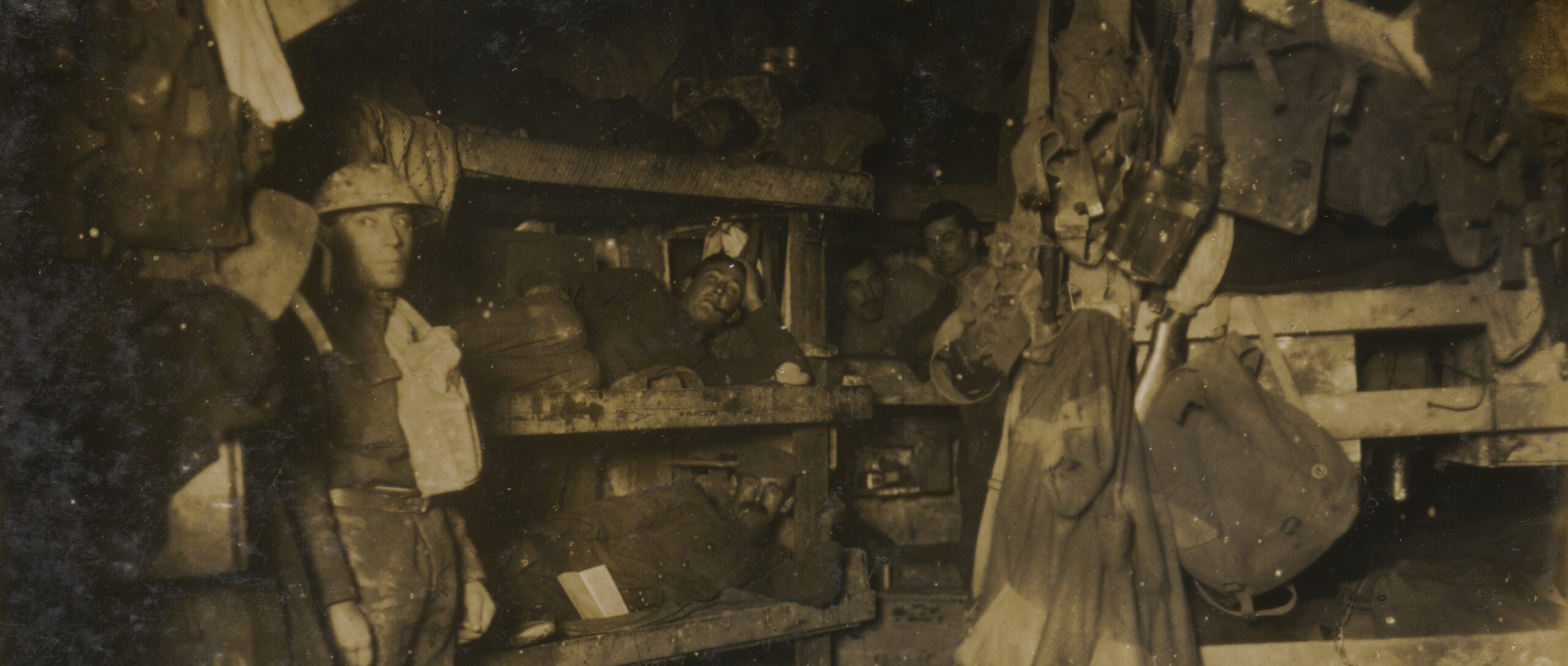
Beneath the city, the ancient chalk quarries, worked since the Middle Ages, offered a unique opportunity. From 1916 onwards, New Zealand tunnellers gradually transformed these quarries into a vast underground military network. The galleries were connected, adapted and equipped to accommodate thousands of soldiers.
On the morning of 9th April 1917, nearly 20,000 men were assembled beneath Arras before making their way to their starting positions. For several days, some lived in this underground environment, awaiting the launch of the offensive. In the darkness of the quarries, they left inscriptions on the walls — names, drawings and messages that still bear witness to their presence today.
When the men emerged from the quarries on the morning of 9 April, they were confronted with a battlefield transformed by bombardment.
The Battle of Arras had begun.
From the Pacific to the Underground of Arras: The Men of Oceania
Among these soldiers, the contingents from the Pacific hold a special place in the memory of the battle. As we approach the 110th anniversary of the Battle of Arras, their stories and their presence in the Artois region will be brought to light.
• The New Zealand tunnellers : expertise in underground warfare.
Drawn largely from mining and quarrying backgrounds, these men put their experience to work in developing Arras’s underground network. Working alongside British and New Zealand soldiers, they connected the old quarries and installed the facilities needed to accommodate and move troops ahead of the offensive.
• The Māori pioneers : soldiers from Aotearoa.
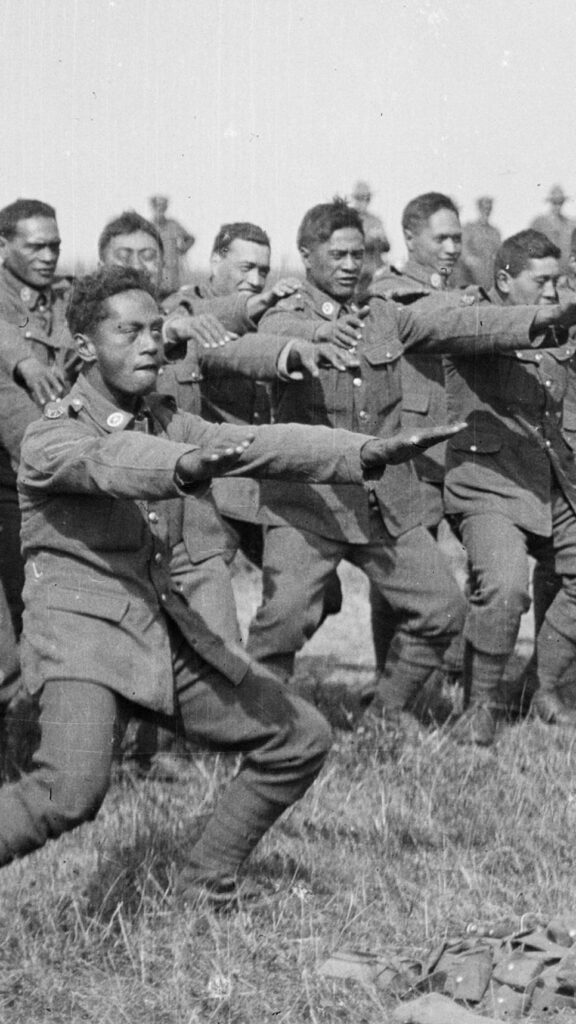
From December 1916, 43 Māori soldiers spent several weeks working in the Arras quarries alongside the New Zealand tunnellers. Their unit was assigned a range of construction and fitting-out tasks essential to military operations.
• The sappers from the Cook Islands : Integrated into the New Zealand forces, these men left their islands to take part in the work required to keep the front operational, often in difficult conditions.
2027: Key Events
From 3rd April, the Lion of Arras will roar once again : returning to its place atop the belfry after twenty months away for restoration.
• 4th April – Trail des Braves a long-distance race (40 km) and a shorter route (20 km), with two starting points: Vimy and Neuville-Saint-Vaast. Participation will be symbolically limited to 3,590 runners, matching the exact number of Canadian soldiers killed on 9 April 1917 alone.
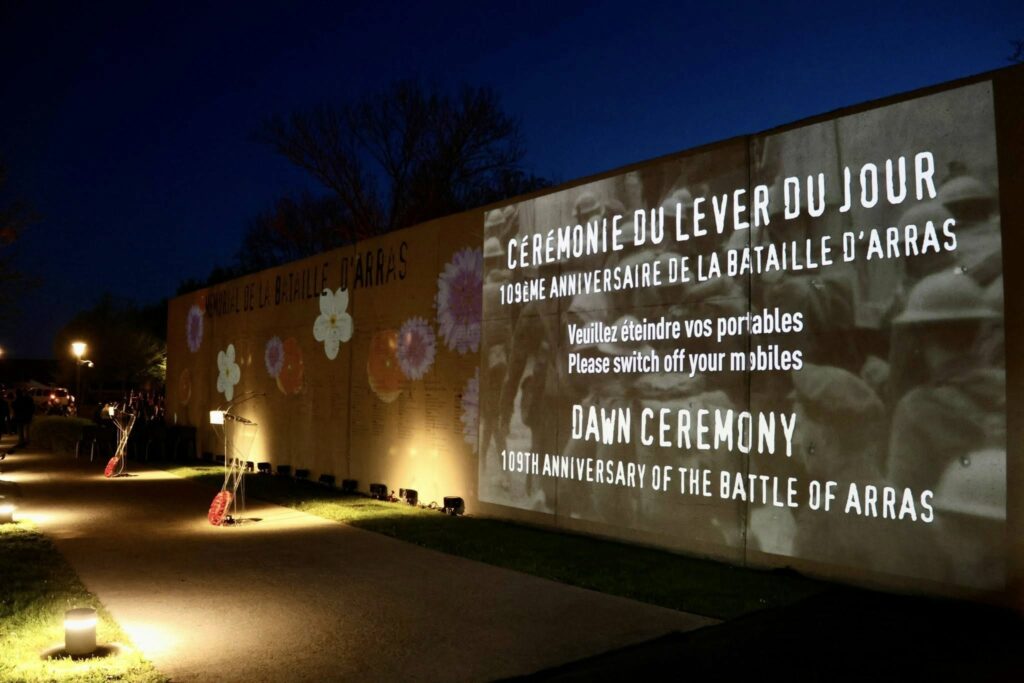
• 9th April – Dawn ceremony held in front of the Carrière Wellington Memorial Wall. Letters written by soldiers, testimonies from descendants of New Zealand tunnellers and music will pay tribute to British and Commonwealth soldiers.
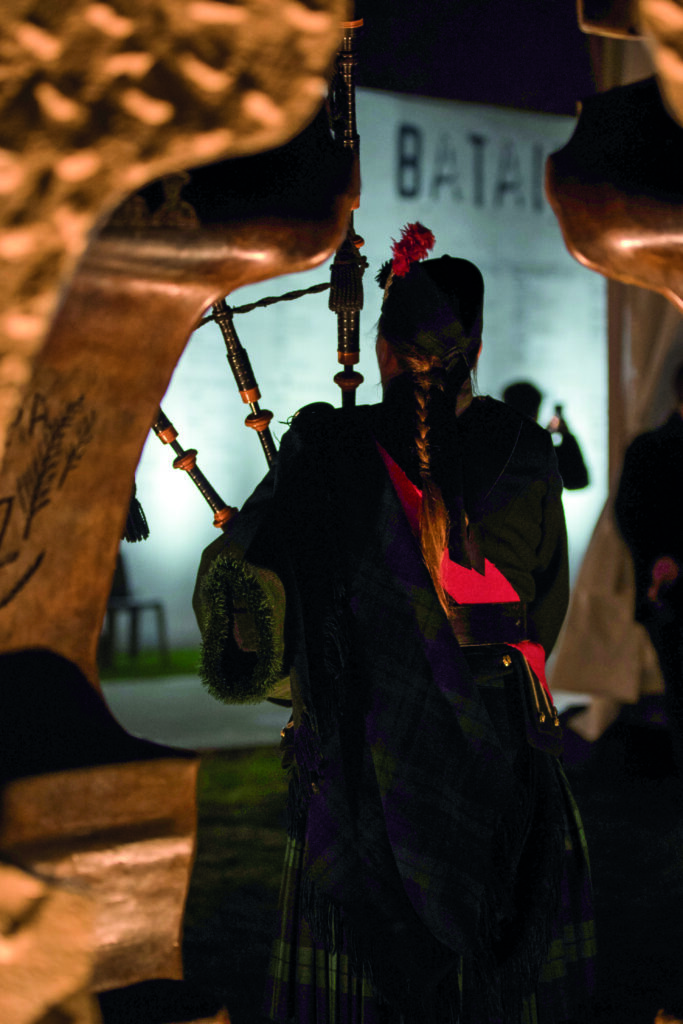
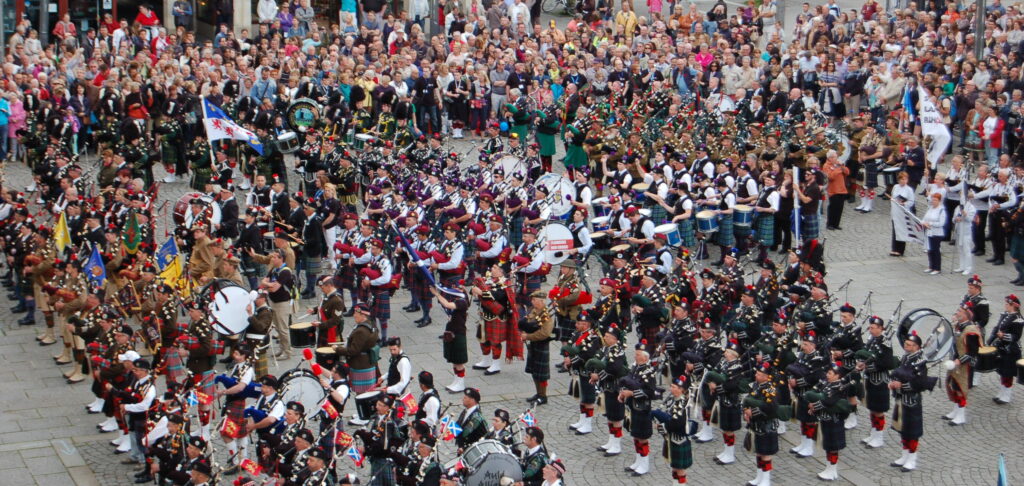
• 15th – 16th May – United Pipers for Peace : on Saturday 15 and Sunday 16 May 2027, 400 pipers will come together for a spectacular concert and a large parade through the streets of Arras.
Memorial Park of the Battle of Arras
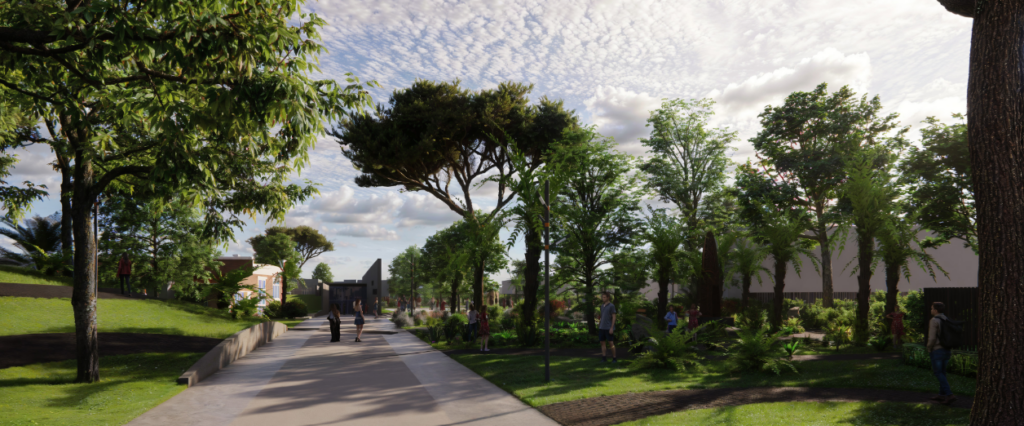
A new memorial park will be created at Carrière Wellington, offering a place for reflection and remembrance. Its gardens, inspired by the landscapes of New Zealand and featuring cordylines, tree ferns and phormiums, will evoke the homeland of the men who came to serve in the Artois region.
Through three new memorials, the park will pay tribute to the work of the New Zealand tunnellers, who spent six months developing the underground network that provided shelter for 24,000 soldiers ahead of the assault on 9 April 1917.
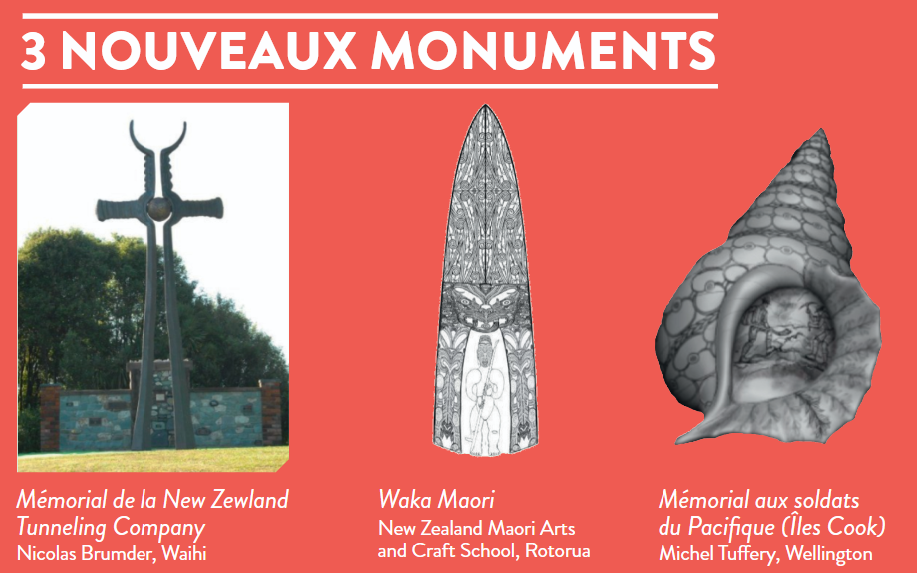
• The New Zealand Tunnelling Company Memorial, designed by sculptor Nicholas Brumder and modelled on the Waihi Memorial in New Zealand, honours the men of the company and the expertise they brought to underground warfare.
• The Waka Maumahara, created by New Zealand Maori Arts and Craft School in Rotorua, pays tribute to the 43 Māori pioneers from Aotearoa who worked alongside the tunnellers on the construction and development of the quarries.
• The Pacific Soldiers Memorial, a shell-shaped sculpture created by artist Michel Tuffery, is dedicated to the sappers from the Cook Islands. It was inspired by a shell discovered in the Arras quarries at the foot of graffiti bearing the name of a Cook Islands soldier.
Plan Your Visit to Arras for the 2027 Commemorations
Do not miss this important moment of remembrance. Arras and the Artois region look forward to welcoming you in 2027.
• Be among the first to receive updates : arras.fr/110ans-bataille-arras
Sign up for our newsletter to receive essential information and practical tips to help you plan your visit for the 110th anniversary of the Battle of Arras : www.arraspaysdartois.com
• Planning a group visit? Our destination experts are on hand to help you design your own heritage and remembrance itinerary in the Artois region. Get in touch to discuss your plans and put together your programme: commercialisation@arraspaysdartois.com

Keep up to date with our latest news.


